As a parent, you want your child to grow up happy, confident, and ready to take on the world. One of the best things you can do to help them get there is to give them a strong social foundation early on. The truth is, the years between three and four are some of the most important for your child’s social growth. This is when children start learning how to share, cooperate, make friends, and understand feelings. And the best place for all of that to happen? Preschool. A great preschool such as Today’s Life gives your child the tools they need to connect with others, manage their emotions, and build the kind of relationships that will carry them through school and life. Here are five ways Today’s Life preschool helps children build those all-important social skills.
1. Preschool Helps Young Children Learn How to Cooperate and Work with Others
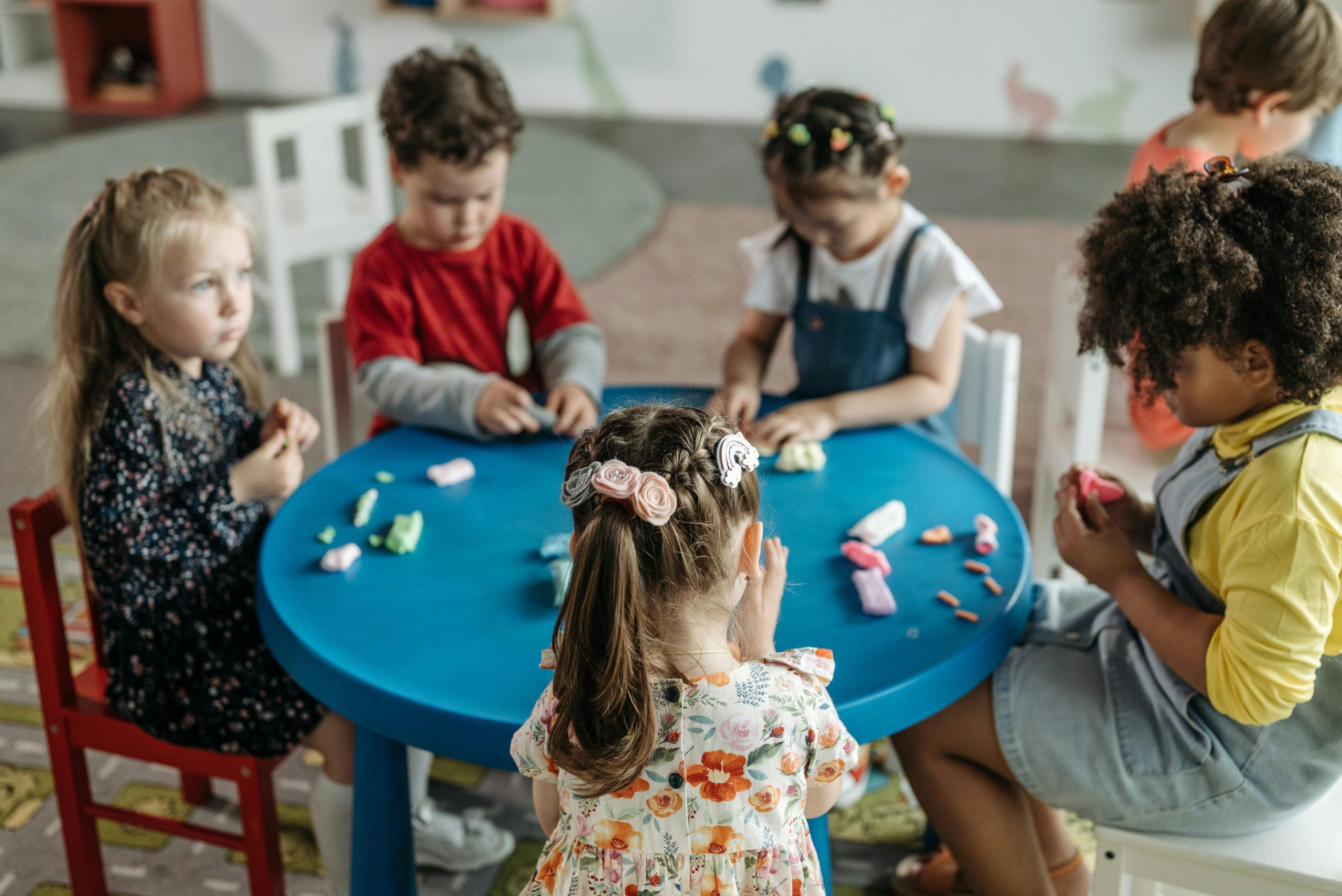
Cooperation is the ability to work with someone else toward a shared goal. It sounds simple, but for a three- or four-year-old, it is actually a pretty big deal. At preschool, children have chances every single day to practice working together. Whether it is building a block tower with a friend, participating in a group activity, or taking turns during a game, children are constantly learning what it means to be part of a team. These small moments add up in a big way.
Children who learn to cooperate early are better at communicating, solving problems, and getting along with others. At home, you can support this by playing games that require taking turns or asking your child to help with simple tasks around the house. But there is no substitute for the kind of daily, structured cooperation your child gets in a preschool setting. At Today’s Life Schools and Child Care in the Twin Cities, teachers create an environment where working together is just part of the day, giving your child plenty of practice in a safe and supportive space.
2. Preschool Gives Children the Guided Practice They Need to Learn How to Share
Most parents know that sharing does not come naturally to young children. That is completely normal. Children between the ages of three and four are just starting to develop the skills needed to share, and they need a lot of patient guidance to get there. Preschool is where that guidance happens consistently.
Teachers are trained to step in when two children want the same toy and help them figure out a solution together. Instead of just telling children what to do, good teachers ask things like, “There is only one of these and two of you. What do you think we should do?” This kind of approach helps children practice empathy and problem-solving at the same time. They start to understand that sharing is not just about giving something up. It is about respecting others and finding a way for everyone to feel good. Over time, these small lessons build a child who knows how to navigate tricky social moments with kindness and confidence. When you enroll your child at Today’s Life Schools and Child Care, you can feel confident knowing that every part of the day is designed to support this kind of thoughtful, social growth.
3. Preschool Teaches Kids How to Recognize Emotions and Build Empathy for Others
One of the most powerful things preschool does for your child is help them understand emotions, both their own and other people’s. Being able to recognize how someone else is feeling is the foundation of empathy, and empathy is what makes strong, lasting friendships possible. In a quality preschool program, teachers weave emotional learning into everyday activities. During story time, for example, a teacher might ask, “How do you think this character is feeling right now? What does their face tell us?” These little conversations help children start connecting facial expressions and body language to feelings.
Over time, children who learn to recognize emotions in others also get better at managing their own emotions. They have fewer meltdowns, bounce back faster from frustration, and are more likely to handle conflict in a healthy way. This is one of the reasons why preschool is your best option as a parent when it comes to setting your child up for both social and academic success. Research shows that children who develop strong emotional awareness early on are better prepared for school, have more friends, and are less likely to experience behavior problems. At Today’s Life Schools and Child Care, teachers take the time to really understand each child and create a classroom where emotional growth is taken seriously every single day.
4. Preschool Helps Children Develop the Active Listening Skills They Need to Communicate
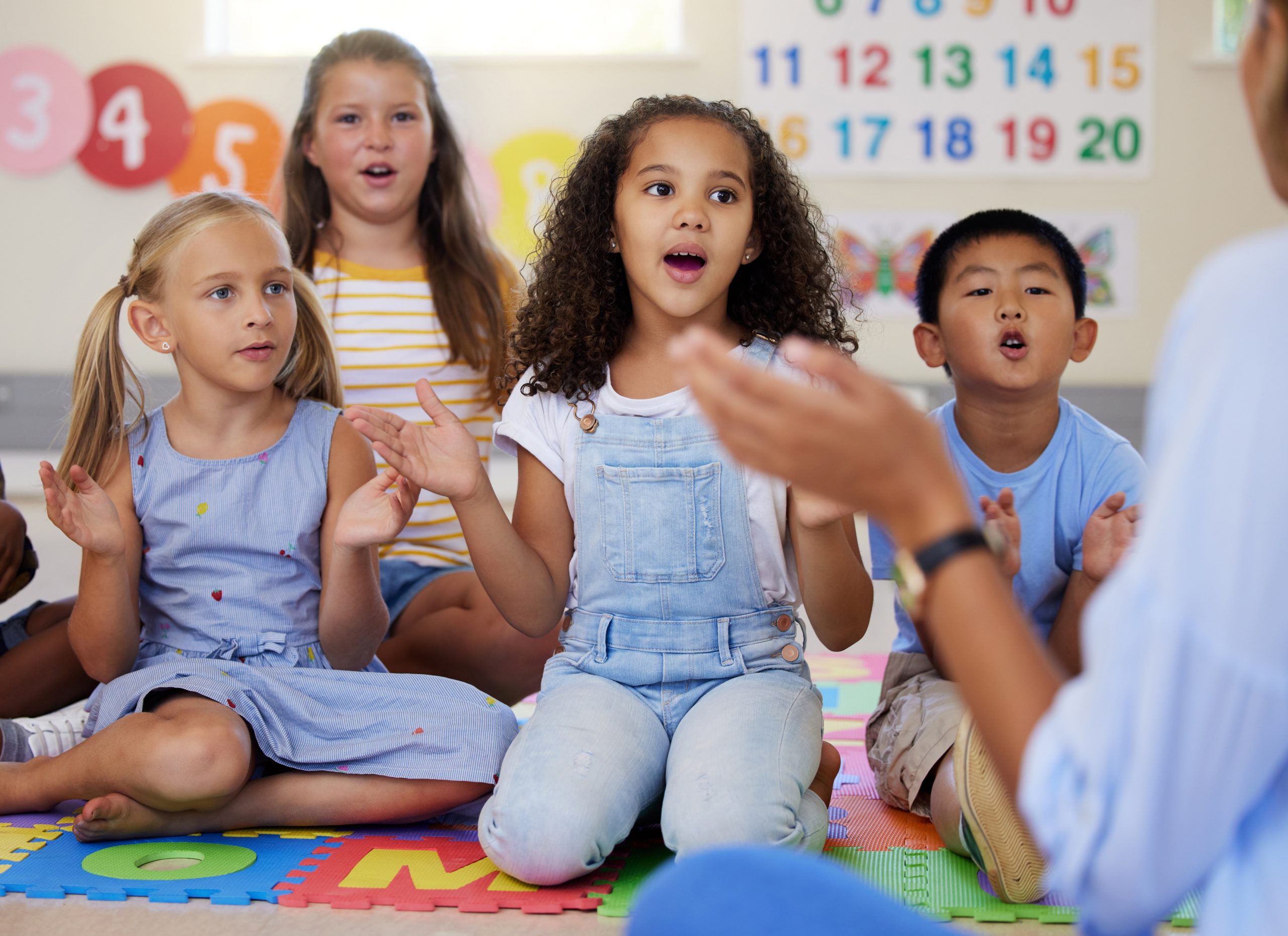
Listening is one of those skills that people often take for granted, but it is actually something that has to be taught and practiced. For young children, learning to truly listen to another person is a huge step forward. In preschool, active listening is built into the rhythm of the day. Children sit together for group time, take turns speaking, and learn to pay attention when someone else is talking. Teachers model what it looks like to really listen by getting down to the child’s level, making eye contact, and responding in ways that show they heard what the child said. This teaches children that what they say matters, and it also shows them how to make others feel heard too. When children feel understood, they are more willing to open up, try new things, and build connections with the people around them.
Active listening also helps children follow directions more easily, which supports their academic learning as well. The communication skills your child builds in preschool will serve them for the rest of their life. At Today’s Life Schools and Child Care, teachers are deeply committed to listening to each child and creating a classroom where every voice is valued and respected.
5. Preschool Gives Children a Safe and Nurturing Place to Practice Their Social Skills
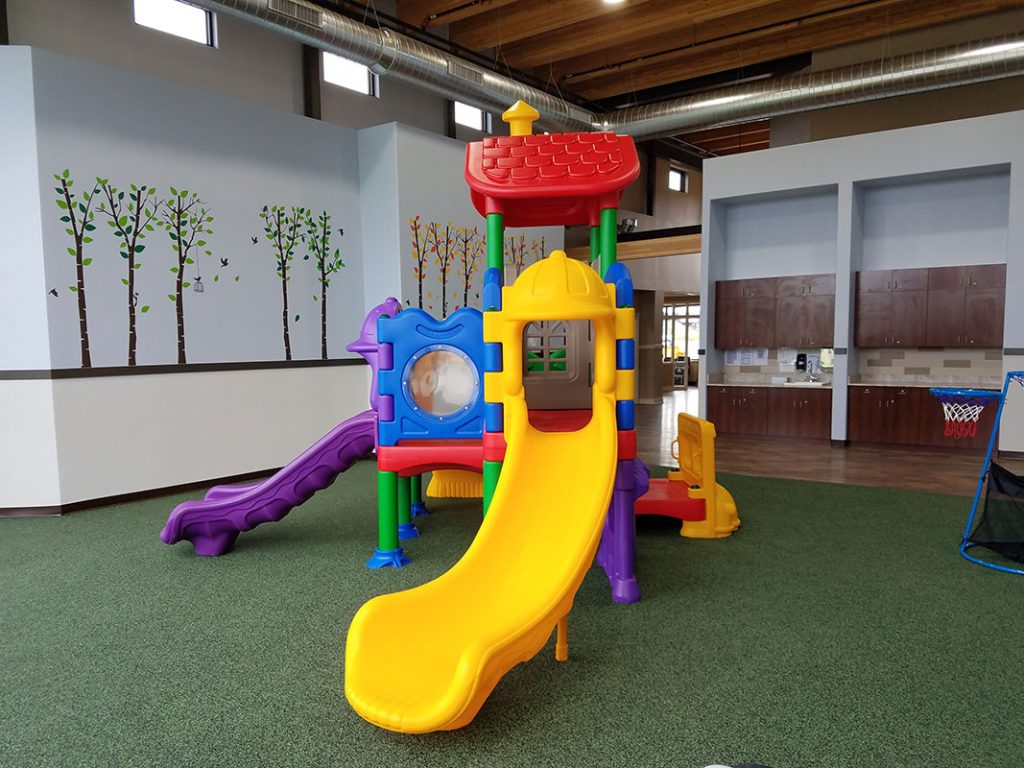
All of the skills we have talked about, cooperation, sharing, emotional awareness, and listening, need one important thing to really take root: a safe and structured environment where children feel comfortable enough to practice them. That is exactly what a great preschool provides. When children feel safe and cared for, they are more willing to take social risks, like introducing themselves to a new friend or speaking up in a group. When they feel supported by trusted adults, they are more likely to try again after things do not go as planned. A well-run preschool gives children a predictable daily routine, a warm classroom community, and teachers who genuinely know and care about each child as an individual. All of this creates the perfect foundation for social growth.
At Today’s Life Schools and Child Care in the Twin Cities, every part of the program is built around making sure your child feels safe, valued, and ready to learn. With a low ratio of one teacher for every 10 children, your child gets the individual attention they need to thrive. Teachers take the time to understand your child’s unique learning style and adjust their approach accordingly. Daily reports keep you in the loop on how your child is doing, and parent-teacher conferences twice a year give you a chance to go deeper. The enrichment program adds even more fun and learning through activities like Spanish, music, and obstacle courses.
When you choose Today’s Life Schools and Child Care, you are not just choosing a place for your child to spend the day. You are choosing a place where they will grow into a more confident, caring, and socially skilled person.
The social skills your child builds in preschool will shape every relationship they have for the rest of their life. From learning to cooperate and share to understanding emotions and listening well, preschool gives children a head start that simply cannot be replicated anywhere else. As a parent, you want the best for your child, and the best option for setting them up for social and academic success is enrolling them in a quality preschool program. If you are in the Twin Cities area and looking for a preschool you can truly trust, Today’s Life Schools and Child Care is ready to welcome your family. Reach out today to learn more about our program and schedule a visit. Your child’s future starts now, and we would love to be a part of it.